




Automotive &
Transportation
Powering the Electrification of the Automotive Industry
Powering the Electrification of the Automotive Industry
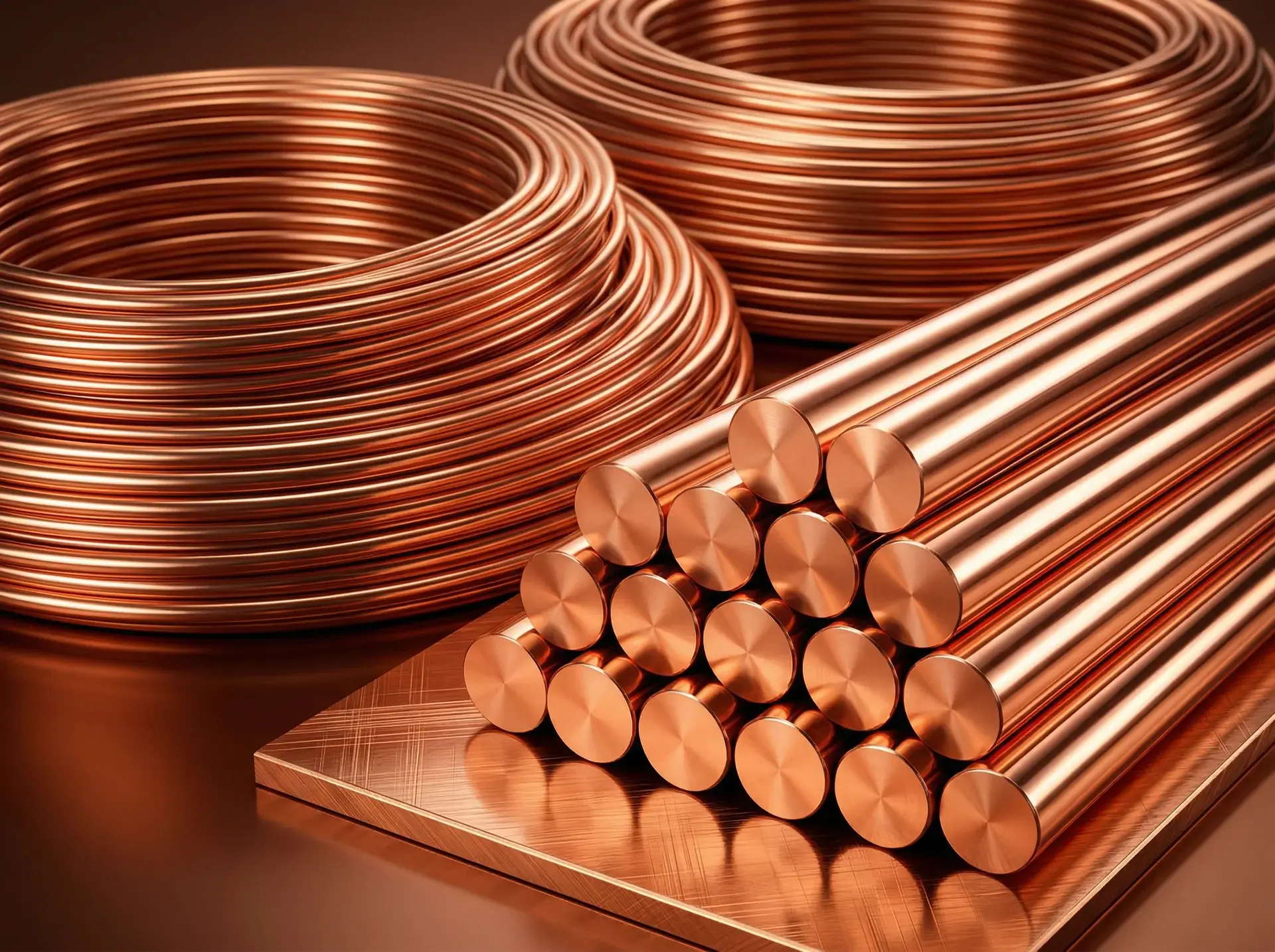
The rapid growth of electric vehicles (EVs) is driving a major increase in the use of copper wiring across the automotive sector. From electric drive motors to battery systems and high-voltage power distribution, modern EVs require significantly more copper than traditional vehicles.
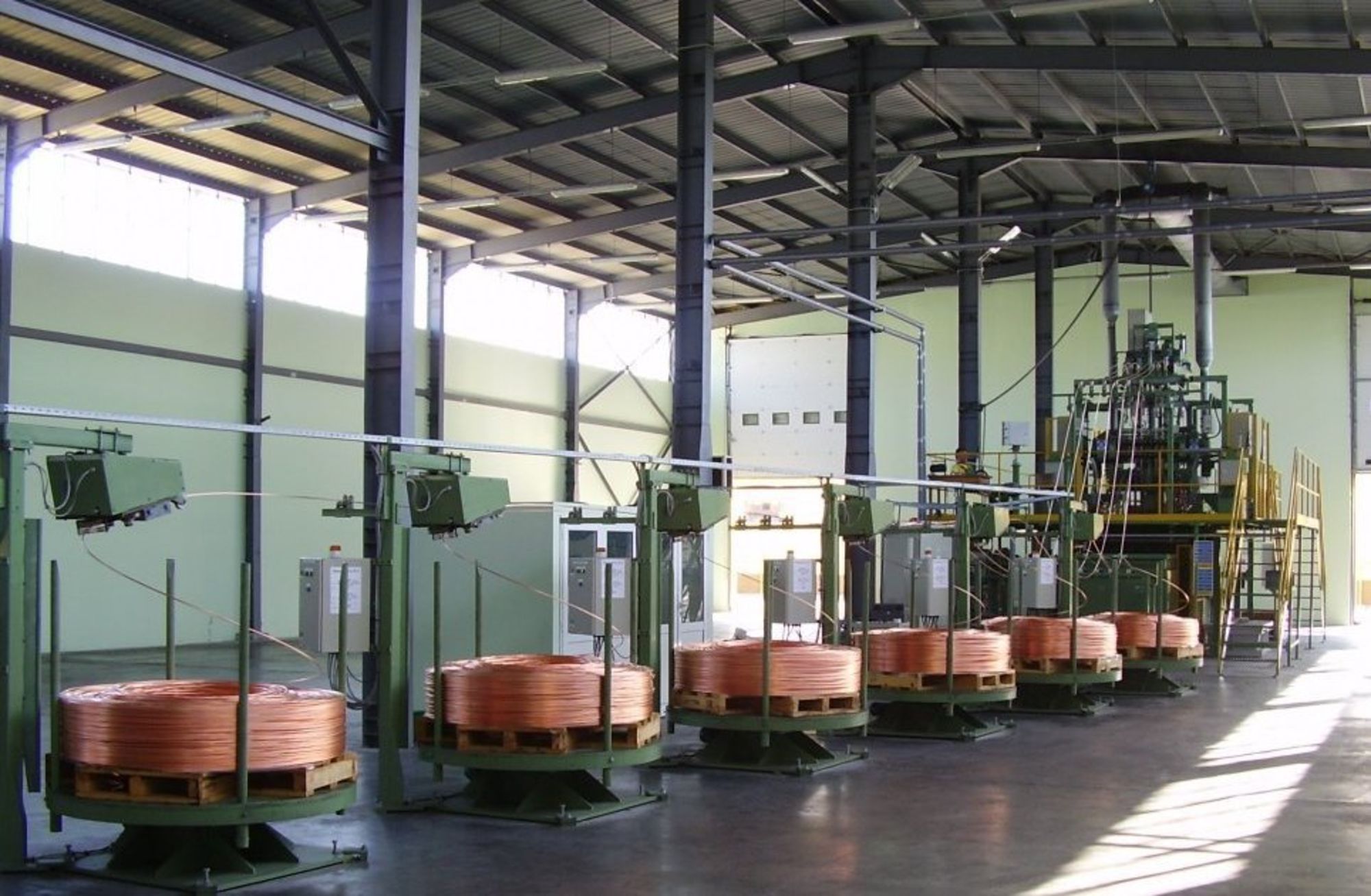
Rautomead provides advanced continuous casting technology that enables manufacturers to produce the high-quality copper and copper alloy feedstock needed for these demanding applications.
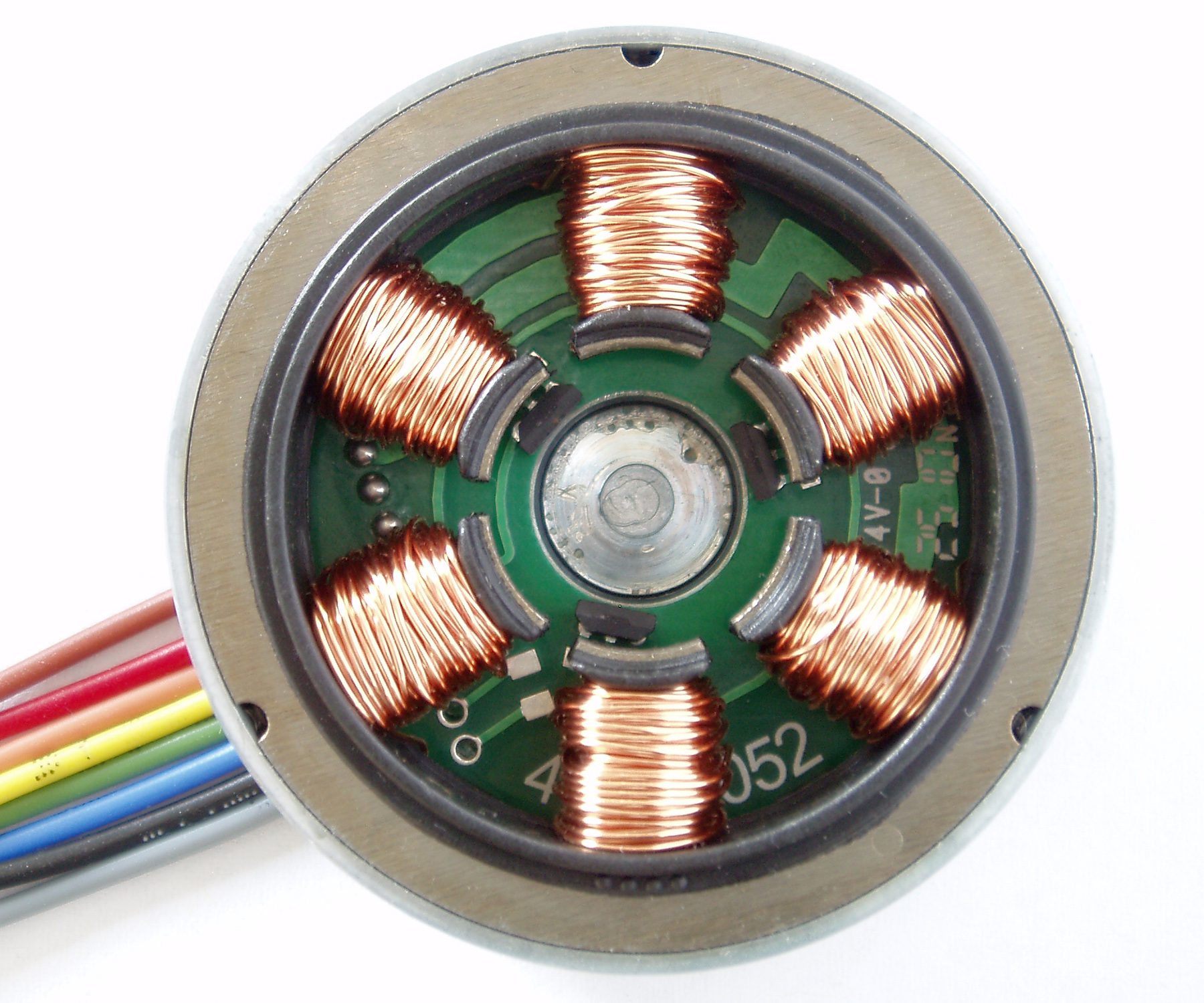
Electric Drive Motors
High-performance copper winding wire for efficient electric motor production in next-generation EV powertrains.
Battery Systems
Precision copper feedstock for battery connectors, busbars, and collector foils in advanced EV battery packs.
High-Voltage Power Distribution
Copper and copper alloy solutions for high-voltage wiring harnesses and power distribution systems in modern EVs.
Enabling Lighter, More Efficient Vehicles
Weight reduction is a key priority in electric vehicle design. New high-performance copper alloys offer greater tensile strength and high electrical conductivity, allowing manufacturers to use smaller diameter wires to replace larger conductors.
This results in:
Reduced Vehicle Weight
Smaller diameter, higher-strength copper alloy wires directly reduce the overall weight of wiring harnesses and electrical systems.
Improved Energy Efficiency and Driving Range
Lower vehicle weight translates directly into greater energy efficiency and extended driving range for electric vehicles.
Lower Material and Production Costs
Using less material per metre of wire reduces both raw material consumption and downstream manufacturing costs.
Advanced Alloys for Next-Generation Wiring
Rautomead casting systems can process a wide range of copper alloys used in automotive electrification, supporting the production of high-performance wire for EV applications.
High Conductivity
Optimised electrical performance
Tensile Strength
Smaller, stronger conductors
Process Flexibility
Wide range of alloys
Quality Consistency
Reliable feedstock production